The Skeptic's 2026 Magnetic Wellness Gift Guide: Buy, Smile, or Skip

Photo: 電車(新幹線)でゴー!, CC BY-SA 4.0, via Wikimedia Commons
The magnetic wellness market has gotten very good at gift-shaped products. Neodymium discs are now sewn into sleep masks, water bottles, insoles, eye pillows, desk toys, and jewelry, all wrapped in packaging that uses the word 'cellular' at least twice.
So here's a service we like to run each holiday season: a sorting system. Every item below gets the same three-column treatment — what claim is being made, what it would take to actually verify it, and the price at which the gift stops being a gift and becomes an unsupervised experiment on someone else's health.
Our working ceiling for all of this: $50 to $75. Above that, you're not buying a present, you're funding a study with a sample size of one. Also, one hard rule before we start — if the recipient has a pacemaker, an insulin pump, or another implanted device, run the purchase past their doctor first, or pick something else.
Pile one: worth a try
A PEMF session at a recovery studio
Claim: pulsed electromagnetic fields induce small currents in tissue that may help with musculoskeletal pain and recovery. Verification: ask which device they use, whether it has FDA clearance for a specific indication, and what training the practitioner has. Clearance for one use isn't clearance for everything. Price: $40 to $90 for a single session. Buy one session, not a package. If your giftee loves it, that's their call to continue. Why it's in this pile: this is the one magnetic modality with real clinical scaffolding behind it. It's also a nice gift because worst case, they spend an hour lying down in a quiet room. There are worse outcomes.
A static magnet wrap from a brand that publishes its numbers
Claim: localized magnetic field may ease minor aches. Verification: the packaging should state field strength at the surface in gauss or millitesla, name the magnet material, and offer a return window of at least 30 days. If you can't find a number, that's your answer. Price: $30 to $60. Past that, you're buying branding. Why it's in this pile: the evidence is weak and inconsistent, but the risk is low and the trial is cheap. Frame it honestly — 'here's a thing to try for a month' — and nobody's disappointed.
A genuinely good book about placebo and pain
Claim: not a magnetic product at all, and that's the point. Verification: flip to the index and check for 'randomized' and 'sham.' Price: $15 to $25. Why it's in this pile: the most interesting thing about magnetic therapy is often why it seems to work for some people. Understanding that makes every future purchase smarter.
Pile two: harmless fun
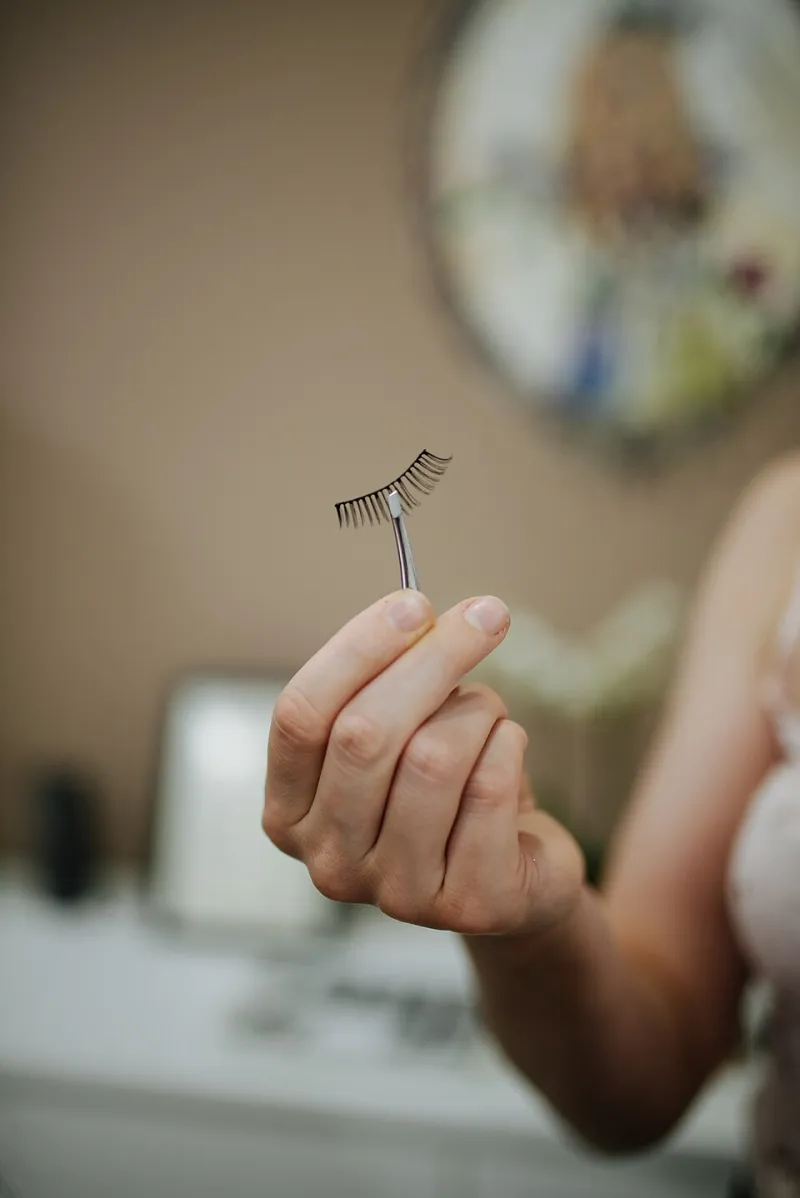
Magnetic lashes and the eyeliner kit
Claim: no medical claim, which we appreciate. Verification: none needed. Price: $12 to $25. Skip the $80 version that comes with a serum making cellular promises.
Copper-and-magnet bracelets
Claim: usually vague, often about 'balance.' Verification: there isn't a meaningful one. Price: $20 to $35. The honest framing: buy it because it looks good. If your giftee likes the look, it's a great gift. The magnet is decorative.
A magnetic desk fidget or puzzle set
Claim: 'stress relief,' which nobody can measure. Price: $10 to $30. Keep away from: small children and pets. Swallowed high-strength magnets are a genuine surgical emergency. Buy this for adults only.
Fridge magnets shaped like something delightful
Claim: none. Zero. Price: $8 to $20. Why we love it: the only magnet in this guide that does exactly what it says on the tin.
Pile three: skip it
The 'structured' magnetic water bottle
Claim: magnets restructure water and improve absorption. Verification: a blinded taste or hydration test using identical bottles, one with a magnet and one without. Nobody selling these has published one, and water's magnetic response is essentially nil. Price: $60 to $150. Skip.
The magnetic mattress pad
Claim: better sleep through improved circulation. Verification: a blinded crossover trial with sleep tracking and a sham pad. Doesn't exist. Price: $150 to $400. That's a real holiday budget spent on a claim with no test behind it. Buy a nice pillow and a blackout curtain instead.
Magnetic insoles
Claim: circulation and 'grounding' benefits through the feet. Verification: the same sham-controlled study nobody has run. Price: $40 to $90. Skip — most people end up taking them out because they're uncomfortable anyway.
Detox foot pads
Claim: the pad turning dark means it pulled toxins out of your body. Verification: the discoloration comes from the pad's own ingredients reacting with sweat. Put one on a damp paper towel and watch it do the same thing. Price: $20 to $40. Skip.
Anything with no field strength printed on it
If the box says 'medical grade magnetic therapy' and never gives you a number in gauss or millitesla, put it back. A product that won't state its own specification isn't making a claim you can evaluate — it's making a mood.
Anything promising to treat a disease
Claims to cure arthritis, reverse neuropathy, or 'rebalance' a diagnosed condition are a different category of problem than an overpriced bracelet. Skip, and if the marketing is aggressive, that's a conversation for the FTC.
The three questions that do the sorting for you
Before you check out, ask:
- What exactly is this claiming, in physical terms? A field strength, a mechanism, an outcome. If the answer is 'energy,' it's not a claim.
- What would change my mind? If nothing could, it's a belief, not a purchase decision.
- What's the return policy and my price ceiling? Write the ceiling down before you browse. It's shockingly effective.
Wrap it up
The best wellness gifts are rituals, not cures. A session at a recovery studio, a book that makes someone think, a beautiful object that happens to contain a magnet — those land well. A $300 mattress pad with a physics claim nobody can test lands in the closet by February. Shop like a skeptic this December and everybody's holiday gets a little lighter.