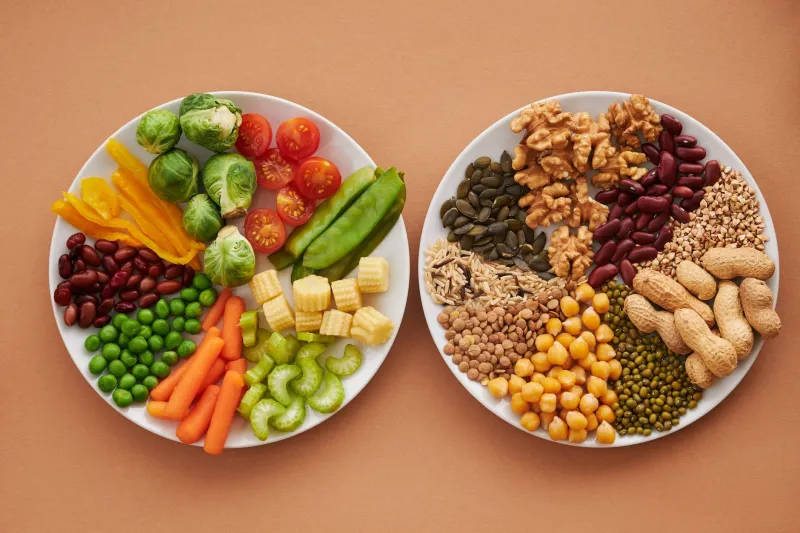
7 'Superfoods' That Might Be Draining Your Mineral Bank Account

Photo: Internet Archive Book Images, No restrictions, via Wikimedia Commons
Here's an uncomfortable thought: some of the foods we eat specifically to be healthy contain compounds that make it harder to absorb the very minerals we're after. They're called anti-nutrients—phytates, oxalates, and their cousins—and while the name sounds scary, the reality is more nuanced than supplement marketers would have you believe.
Think of it less like poison and more like a tax. These foods are still worth eating. You just want to pay less tax where you can.
1. Spinach
The issue: Spinach is loaded with iron and calcium—on paper. It's also loaded with oxalates, which bind those minerals so effectively that your body absorbs only a small fraction of the iron on the label.
Risk level: Low for most people. You still get folate, vitamin K, and plenty of benefit.
The fix: Pair spinach with vitamin C (lemon juice, bell peppers) to boost iron uptake, and rotate in lower-oxalate greens like kale and arugula.
2. Oats
The issue: Phytic acid in oats can chaperone zinc, iron, and magnesium right out of your system.
Risk level: Low-to-moderate if oats are a daily staple.
The fix: Soak oats overnight with a splash of yogurt or lemon juice—a traditional practice that begins breaking down phytates before cooking.
3. Almonds and Almond Everything
The issue: Almond flour snacks, almond milk, almond butter—Americans have gone all-in. But almonds are high in both phytates and, for the skins, compounds that tie up minerals.
Risk level: Moderate for people eating almond-heavy keto or paleo diets.
The fix: Buy roasted, sprouted, or blanched almonds, and vary your nuts—pumpkin seeds and macadamias bring different mineral profiles.
4. Brown Rice
The issue: The bran layer that makes brown rice 'healthier' also concentrates phytates.
Risk level: Low.
The fix: Soak rice before cooking, or cook it like pasta in excess water and drain—studies show this significantly reduces phytate content.
5. Black Beans and Legumes
The issue: Beans are mineral powerhouses wrapped in phytate packaging.
Risk level: Low-to-moderate, especially for plant-based eaters relying on beans for iron and zinc.
The fix: Soak dried beans and discard the water. Canned beans are actually lower in phytates than unsoaked dried ones—convenience wins this round.
6. Dark Chocolate
The issue: Yes, even chocolate. Cocoa is one of the most oxalate-rich foods commonly eaten.
Risk level: Low unless you're eating 85% dark chocolate daily by the bar.
The fix: Moderation, and enjoy it away from your main iron-rich meals rather than with them.
7. Sweet Potatoes
The issue: A beloved complex carb that carries a meaningful oxalate load, particularly in the skin.
Risk level: Low for most; higher for anyone with a history of oxalate kidney stones.
The fix: Boil rather than bake—oxalates leach into the cooking water.
The Takeaway
Anti-nutrients are mostly a problem of context, not content. If you eat a varied diet—some animal products, some plants, some fermented foods—these compounds barely register. If your diet is built heavily around a handful of plant staples, rotation and traditional prep methods (soaking, sprouting, fermenting) are your best friends. Healthy eating isn't about eliminating the tax; it's about making sure you still come out ahead.