Magnetic Lashes and Miracle Pillows: A Reality Check on 2026's Biomagnetic Beauty Aisle
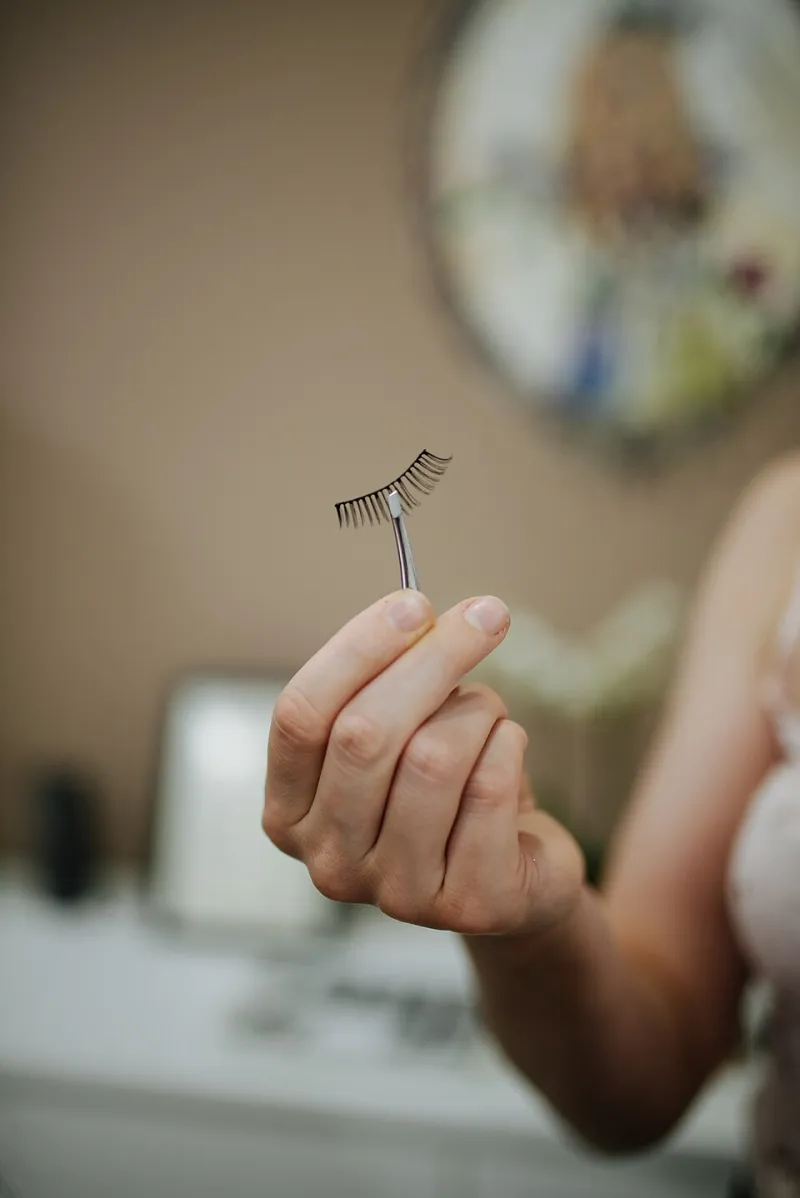
Photo: Shixart1985, CC BY 2.0, via Wikimedia Commons
The beauty aisle has discovered magnets. In 2026, you can buy magnetic eyelashes that click into place, magnetic facial patches that promise to boost circulation, magnetic sleep masks that claim to improve melatonin, and pillow inserts that say they will 'align your energy' while you snooze. Some of these products are clever. Some are cosplay. The trick is telling them apart before you check out.
This is not a knock on cosmetics. Makeup is allowed to be fun, decorative, and convenient. The confusion starts when a product borrows the language of magnetic therapy and wraps it around a cosmetic item or a sleep accessory. That is when a $12 lash kit starts sounding like a medical device.
The Magnetic Lash Thing Is Mostly Cosmetic, and That Is Fine
Magnetic eyelashes typically work in one of two ways. Some use tiny magnets embedded in the lash strip that cling to magnetic eyeliner. Others use paired lash strips that sandwich your natural lashes between two magnets. The appeal is obvious: no glue, quicker application, easier removal, and less mess.
As a cosmetic convenience, this is legitimate. As a health treatment, it is not. The magnets are there to hold the product in place, not to stimulate your eyelid or improve circulation. If a seller claims the magnets are 'stimulating acupressure points' or 'supporting lymphatic flow,' ask for evidence. You will probably get a diagram with arrows and very little data.
There are practical safety notes. Magnetic eyeliner and lash adhesives can irritate sensitive skin or eyes. Remove the product gently and follow the instructions. Keep small magnets away from children and pets, because swallowed magnets can be a serious medical emergency. If you have a medical implant, ask your clinician about magnetic products near the face or eyes, even when the magnet is small.
Patches, Masks, and Pillow Inserts: Where Claims Get Fuzzy
Magnetic facial patches are usually sold with claims about circulation, collagen, puffiness, or 'cellular renewal.' Static magnets have been studied for pain and some other conditions, but the evidence is mixed and generally not strong enough to support sweeping beauty claims. For facial patches, the bar is even higher because the claimed benefits are cosmetic and often short-lived.
Magnetic sleep masks and pillow inserts are a similar story. A comfortable sleep mask can genuinely help you sleep by blocking light. A supportive pillow can help your neck. If the product includes magnets, the question is whether the magnets add anything beyond comfort and placebo. So far, the evidence for static magnets improving sleep quality or 'balancing your body's energy' is not convincing.
That does not mean every product is worthless. It means the useful part may be the fabric, the fit, the light blocking, or the ritual. Those are real benefits. They are just not magnetic ones.
Safety Is Not a Footnote
Magnets in beauty products are usually small, but small magnets are not automatically harmless. Swallowed magnets can attract each other across intestinal walls and cause severe internal damage. Keep magnetic lashes, patches, and small inserts away from kids and pets. Check the product for age warnings and recall notices.
If you have a pacemaker, insulin pump, cochlear implant, or other electronic medical device, talk to your doctor before using magnetic products, especially near your head or chest. Remove magnetic items before an MRI. And if a product causes skin irritation, stop using it. Beauty should not require a dermatology appointment.
A Consumer Checklist for the Biomagnetic Beauty Aisle
First, decide what job the product is supposed to do. Is it cosmetic? Comfort? Pain relief? Sleep? The category matters because it tells you what kind of evidence to expect. A lash kit needs to stay on and look good. A sleep mask needs to block light and feel comfortable. A therapeutic patch needs much stronger proof.
Second, look for magnet specifications. How strong are they? Where are they placed? Are they sealed? Does the company warn about implants and swallowed magnets? Vague language like 'bio-magnetic energy' is a sign that the marketing is doing more work than the engineering.
Third, read the claims carefully. 'Supports relaxation' is fuzzy but common. 'Treats insomnia' is a medical claim and should raise your eyebrows. Fourth, check the return policy. If the product depends on a subjective 'feeling,' you want the option to send it back.
Finally, compare cost per use. Magnetic lashes you wear ten times may be a bargain. A magnetic pillow insert you abandon after a week is not. And do not let a beauty product replace care from a dermatologist, sleep specialist, or other clinician if you have a real health concern.
What We Would Actually Buy
Magnetic lashes for a special occasion? Sure, if you like the look and the price is fair. A plain, comfortable sleep mask? Absolutely. A supportive pillow without magnetic claims? Often the smarter buy. A magnetic facial patch with bold collagen claims? We would need to see much better evidence before spending much.
The Bottom Line
The biomagnetic beauty boom is a mix of real convenience and familiar wellness theater. Magnetic lashes can be a useful cosmetic tool. Magnetic patches and pillow inserts may be comfortable, but their health claims deserve skepticism. Buy the benefit you can actually verify: fit, function, safety, and a return policy. Let the magnets be a feature, not the whole story.